

Voice change can occur after any neck operation, not just from nerve injury in thyroid and parathyroid surgery.
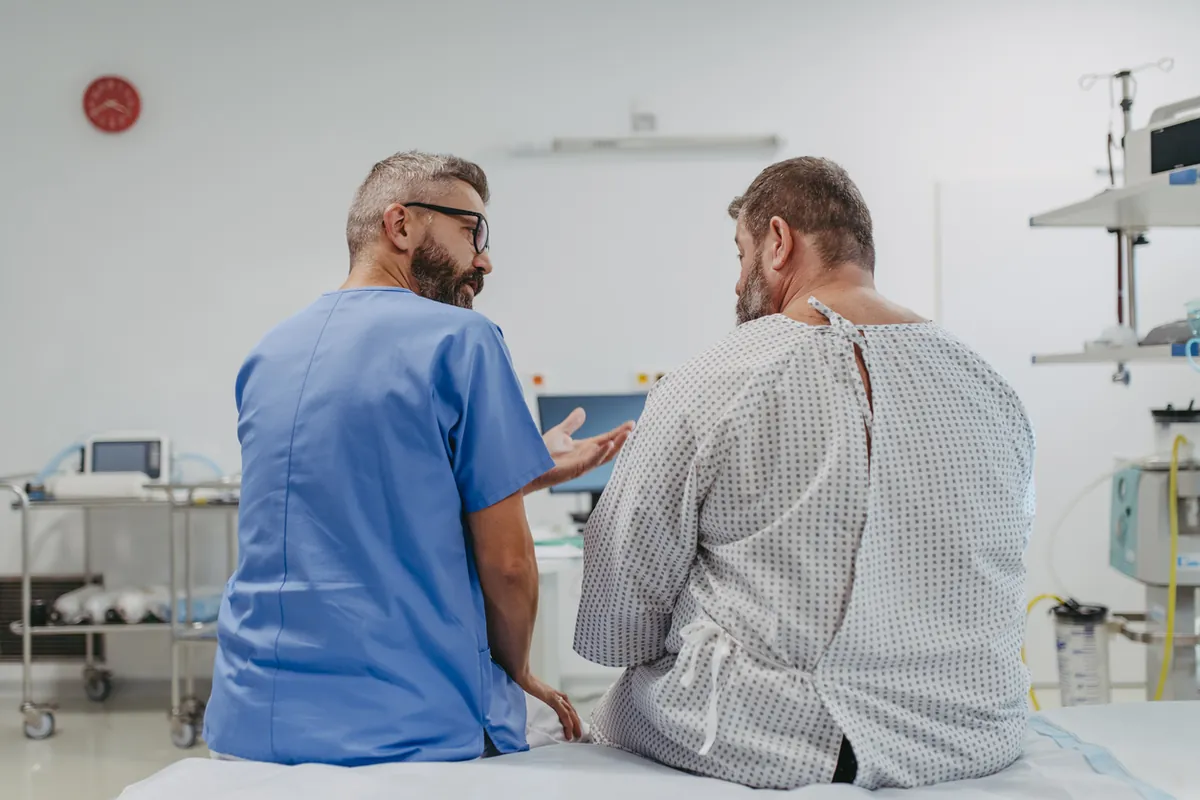
Voice Change from nerve damage
Damage to the recurrent laryngeal nerve makes the voice weak and difficult to project. It will also tire quicker than usual so that towards the end of your day it can be harder to speak audibly.
In addition to voice change, recurrent laryngeal nerve injury can make swallowing feel abnormal and this increases the risk of recurrent chest infection. New research has shown that a recurrent laryngeal nerve injury can reduce life span by up to 10 years through the increased risk of chronic chest infection. By using cIONM, we have reduced this risk to less than 0.7% - compared to 1.3% nationally and this risk is falling as more of our cases are performed using cIONM.
If both recurrent laryngeal nerves are injured more severe disability can be caused - weaker voice, difficulty swallowing safely and even difficulty breathing requiring a tracheostomy. Bilateral nerve injury can only occur after a total thyroidectomy or bilateral neck exploration for parathyroid disease.
Because we use cIONM, we can avoid bilateral injuries by not operating on the second side. Our injury rate is reducing and now down to less than 0.7%.
If you are affected by this complication, please try these voice strengthening exercises when you feel ready to help strengthen your voice again.
Surgical Hypoparathyroidism - Causing low calcium
This happens when the 4 parathyroid glands controlling calcium levels in the blood are damaged in either parathyroid surgery or thyroid surgery. The parathyroid glands are very small. A normal gland is 6x4x2mm in size so their blood supply is very delicate. The equivalent of normal function of 1-2 of these 4 glands is enough to maintain normal calcium levels.
Permanent damage (PoSH) is rare and affects about 1.3% of patients entered into the national registry of parathyroid surgery outcomes. My practice shows a PoSH incidence of almost zero.
Advice on medication, how to take it and how to maintain calcium levels
Persistent Hypercalcaemia
This complication is important. It means we have not found all the abnormal parathyroid glands in the commonest form of hyperparathyroidism (primary HPT). New innovations appear to be helping but the national average of 5% has changed little over the years. In less common familial and genetic syndromes causing hyperparathyroidism it can be impossible to completely avoid a risk of recurrent disease years later, but persistent disease is also possible but very unusual.
Mr Kirkby-Bott has performed over 1000 thyroid lobe excisions & over 500 parathyroidectomies.
His outcomes are recorded on a National Database of Endocrine surgery outcomes run by the British Association of Endocrine and Thyroid Surgery (BAETS).
The British Association of Endocrine & Thyroid Surgeons (BAETS) patient information leaflets
Patient Feedback
Parathyroidectomy patient - 60 years old
I feel so much better now. I wish all patients with hyperparathyroidism could be diagnosed and operated on as quickly as my experience. It is a dreadful disease that impacts people's bodies and lives in so many negative and frightening ways.
I chose due to his knowledge of hyperparathyroidism and experience of performing parathyroidectomies.
I was pleased with the quick and thorough diagnosis and how smoothly all scans and tests were done. Mr Kirkby-Bott was caring and his secretary was efficient and pleasant. The operation was as I expected and the scar healed well and is fading nicely.
Related pages
Written by Mr James Kirkby-Bott. Last reviewed 14/10/2026